

2025 Hyundai Tucson Plug-in Hybrid near Columbia, SC
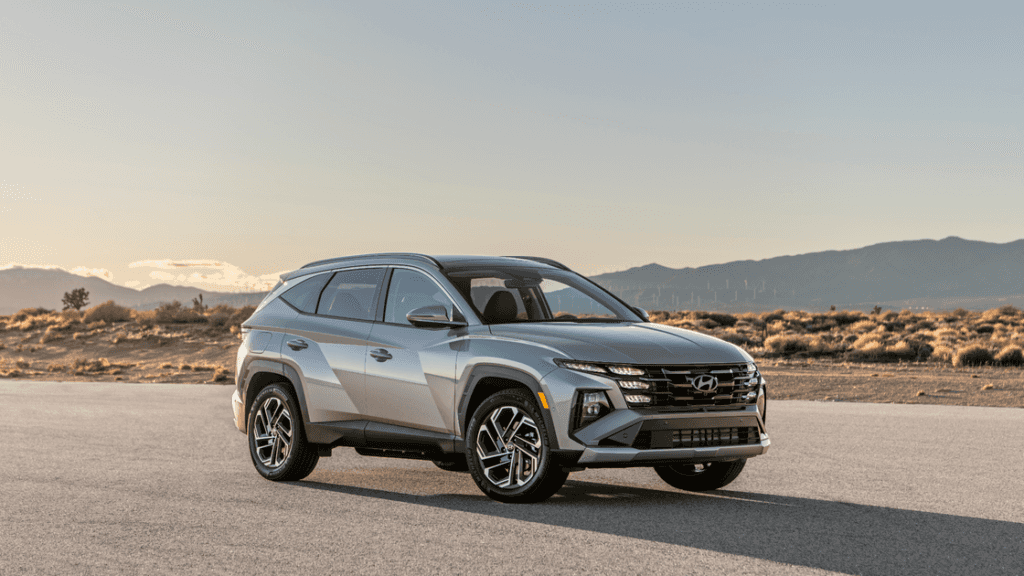
The 2025 Hyundai Tucson Plug-in Hybrid introduces a combination of advanced hybrid powertrain technology and practical engineering designed to optimize efficiency and driving performance. This model integrates a turbocharged gasoline engine with a high-capacity electric motor and battery system, presenting a comprehensive approach to modern hybrid propulsion. The vehicle’s mechanical, electrical, and structural specifications reflect a commitment to balanced functionality and technical rigor without compromising driver control or capability.
Turbocharged Hybrid Powertrain: Efficient Power in Motion
The 2025 Hyundai Tucson Plug-in Hybrid utilizes a 1.6-liter turbocharged direct injection (Turbo-GDI) inline four-cylinder engine. This engine features a dual overhead camshaft configuration with 16 valves and incorporates Hyundai’s Continuously Variable Valve Duration (CVVD) system to enhance combustion efficiency. The engine produces 178 horsepower at 5,500 RPM and 195 pound-feet of torque available from 1,500 to 4,500 RPM.
Complementing the gasoline engine is a permanent magnet synchronous electric motor rated at 72 kilowatts, equivalent to 97 horsepower, producing 224 pound-feet of torque at 2,200 RPM. The electric motor draws power from a 13.8 kilowatt-hour lithium-ion battery operating at a maximum voltage of 360 volts. This battery configuration enables an electric-only driving range of approximately 32 miles under EPA conditions.
Disclaimer: 2025 TUCSON Plug-in Hybrid. 32-mile All-Electric Range based on a fully charged battery pack and 77 combined MPGe. MPGe is the EPA-equivalent measure of gasoline fuel efficiency for electric-mode operation. 35 Combined MPG (gas). All figures are EPA estimates and for comparison purposes only. Actual range and mileage will vary with options, driving conditions and habits, vehicle and battery’s condition, battery temperature, outside temperature and other factors.
The combined system output results in a total of 268 horsepower and 271 pound-feet of torque. The powertrain incorporates a six-speed automatic transmission optimized for hybrid operation, which manages power delivery between the engine and electric motor. The 2025 Hyundai Tucson Plug-in Hybrid also features Hyundai’s HTRAC active on-demand all-wheel-drive system, which provides traction management to maintain grip in varying driving conditions.
The battery charging system includes an onboard 7.2-kilowatt charger compatible with 240-volt electrical outlets, allowing full recharge in about two hours. The vehicle supports regenerative braking to recapture energy during deceleration, contributing to overall energy efficiency.
Precision Engineering: Aerodynamics and Structure for Performance
The exterior dimensions of the 2025 Hyundai Tucson Plug-in Hybrid reflect a compact SUV architecture with a wheelbase measuring 108.5 inches and an overall length of 182.7 inches. The vehicle maintains a width of 73.4 inches and an overall height of 65.6 inches. Ground clearance measures 7.1 inches for the front-wheel-drive variant and 8.3 inches when equipped with all-wheel drive.
The body construction utilizes a unibody monocoque frame predominantly made of advanced high-strength steels, providing structural rigidity while minimizing weight. The aerodynamic coefficient of drag stands at 0.33, a value that supports fuel efficiency and reduces wind noise.
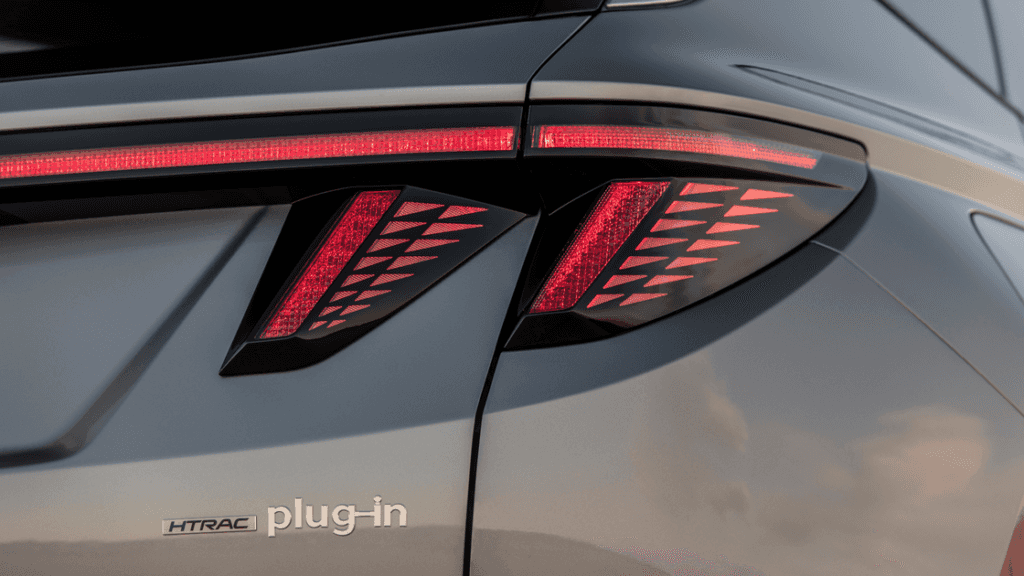
The 2025 Hyundai Tucson Plug-in Hybrid rides on 18-inch alloy wheels paired with 245/60R18 tires, balancing road grip and ride comfort. The exterior lighting system employs LED technology for headlights, taillights, and turn signals, ensuring clear illumination and energy efficiency. The model includes a panoramic sunroof on select trims, adding to interior light and ventilation.
Interior Space and Flexibility: Optimized Comfort and Cargo Capacity
Inside, the 2025 Hyundai Tucson Plug-in Hybrid offers seating for five occupants with a passenger volume close to 106 cubic feet. Front and rear headroom measures approximately 40.1 inches and 38.1 inches, respectively, without a sunroof installed. The inclusion of a panoramic sunroof slightly reduces rear headroom to 39 inches.
Legroom is measured at 41.4 inches in the front and 39.5 inches in the rear seating area, with shoulder room around 57.6 inches up front and 56 inches in the rear. The cargo area provides 31.9 cubic feet of space behind the rear seats and expands to 71.8 cubic feet when the rear seats are folded flat, offering practical storage capacity for larger loads.
The cabin incorporates leatherette seating surfaces with power adjustments for the driver’s seat, including lumbar support and eight-way power controls. The rear seats fold in a 60/40 split to enhance cargo flexibility. Dual-zone automatic climate control and rear-seat air vents contribute to occupant comfort.
Digital Command Center: Technology That Keeps You Connected
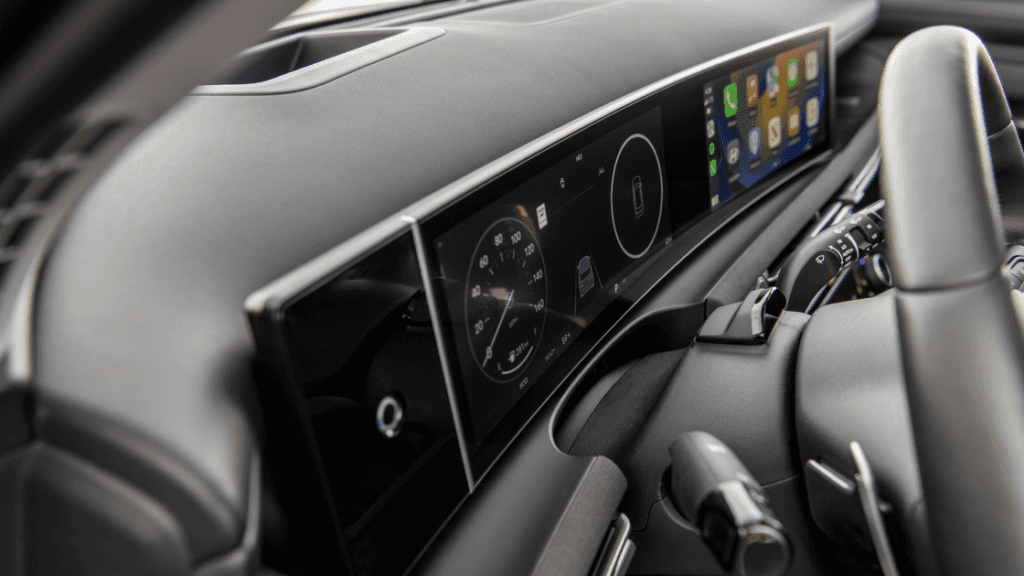
The vehicle integrates a dual 12.3-inch display setup comprising a fully digital instrument cluster and a touchscreen infotainment system. The infotainment system supports onboard navigation and features wireless Apple CarPlay® and Android Auto™ connectivity. It also includes SiriusXM® satellite radio and HD Radio™.
Updates for navigation and multimedia software are delivered via over-the-air (OTA) technology, minimizing the need for manual intervention or dealer visits. The audio system consists of six speakers providing clear and balanced sound distribution throughout the cabin.
The 2025 Hyundai Tucson Plug-in Hybrid is equipped with the Hyundai Bluelink+ Connected Car System. This system enables remote vehicle control functions such as battery charging status monitoring and climate preconditioning via a smartphone application. USB Type-C ports are positioned in the front and rear, allowing for fast data transfer and charging capabilities for compatible devices.
Comprehensive Safety Suite: Advanced Systems for Collision Avoidance
Safety equipment on the 2025 Hyundai Tucson Plug-in Hybrid includes multiple airbags positioned at the front, side, and curtain locations with integrated rollover sensors. The vehicle is fitted with a comprehensive seatbelt system including three-point belts for all occupants, pretensioners, and load limiters.
The braking system features ventilated front disc brakes measuring 12.8 inches in diameter and solid rear discs at 12 inches, supplemented by an anti-lock braking system with electronic brake-force distribution and brake assist. Additional control systems include vehicle stability management, traction control, downhill brake control, hill-start assist, and electronic parking brake with automatic hold.
Driver assistance systems cover forward collision-avoidance assist capable of detecting pedestrians, cyclists, and junction turning traffic through sensor fusion technology. Blind-spot collision warning and rear cross-traffic collision-avoidance assist provide alerts for lateral and reversing hazards.
Lane keeping assist and lane following assist help maintain lane position through steering inputs and haptic feedback. The vehicle is equipped with smart cruise control featuring stop-and-go functionality, which adjusts speed automatically based on traffic flow. High beam assist improves nighttime driving visibility by toggling between high and low beams depending on surrounding traffic conditions.
Additional features on higher trims include surround view monitoring and blind-spot view monitors, enhancing parking safety and situational awareness. Driver attention warning and forward attention warning systems use sensor data and cameras to detect signs of driver fatigue or distraction.
Dynamic Handling and Control: Suspension and Steering Precision
The 2025 Hyundai Tucson Plug-in Hybrid employs a suspension setup consisting of MacPherson® struts in the front and a multi-link arrangement at the rear. Both front and rear suspensions use gas-pressurized shock absorbers and stabilizer bars to maintain stability and ride quality.
Steering control is managed by a motor-driven power steering rack and pinion system. The overall steering ratio is 13.7 to 1, with 2.41 turns lock-to-lock and a curb-to-curb turning diameter of 38.6 feet, allowing precise maneuvering in confined spaces.
Braking components and electronic aids work together to provide consistent stopping power. The braking system incorporates electronic brake-force distribution and brake assist to maximize braking effectiveness under various conditions.
Visit ALM Hyundai Florence to Schedule a Test Ride
The 2025 Hyundai Tucson Plug-in Hybrid offers an advanced powertrain delivering 268 horsepower with a substantial electric-only range, supported by active all-wheel drive and sophisticated vehicle dynamics. Prospective buyers may arrange a test drive at ALM Hyundai Florence near Columbia, SC. Testing the 2025 Hyundai Tucson Plug-in Hybrid enables assessment of its technical capabilities including acceleration, handling precision, and the functionality of its advanced safety features, all within everyday driving conditions.