

2026 Hyundai Kona close to Columbia, SC
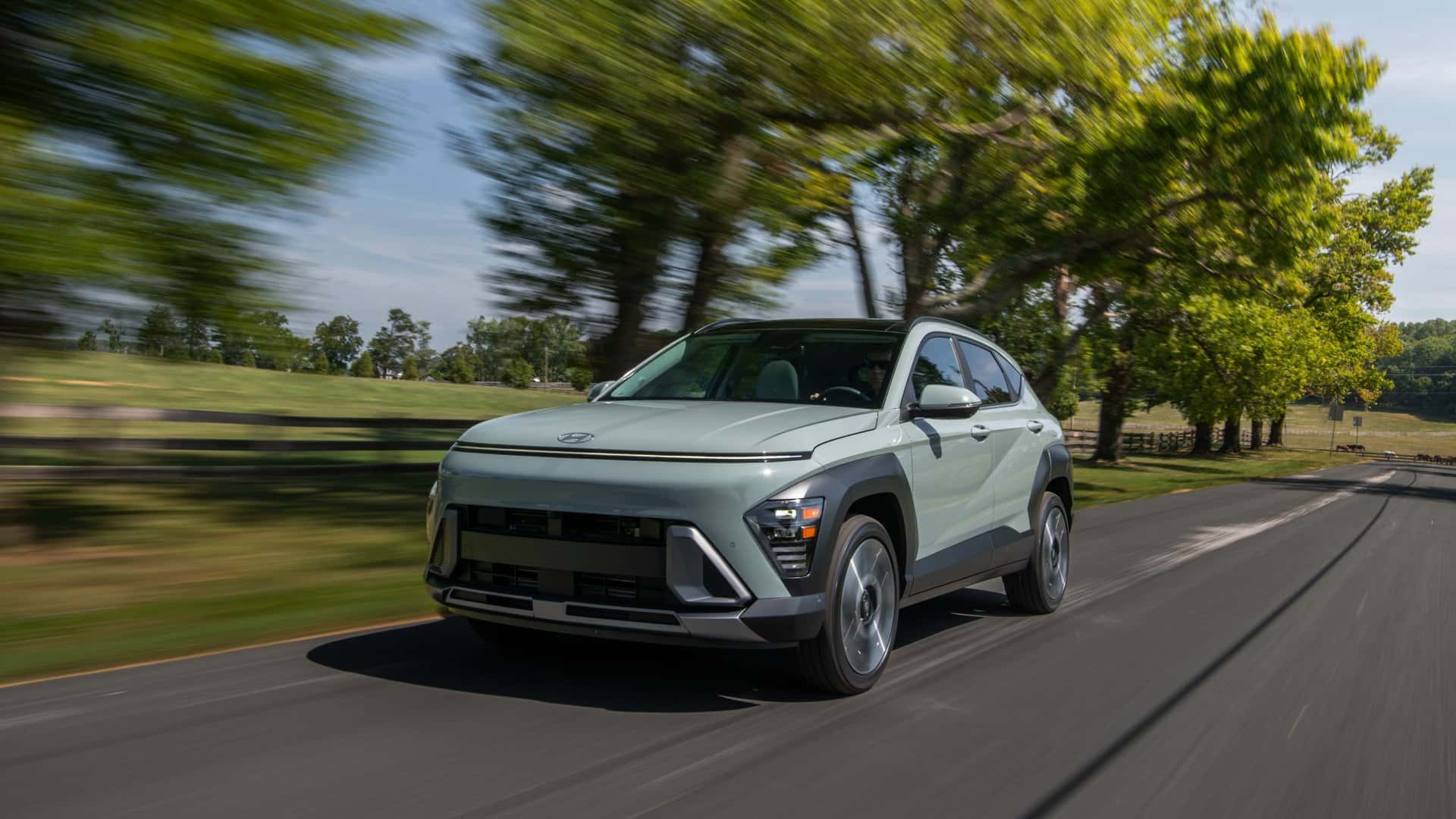
The 2026 Hyundai Kona is designed as a compact sport utility vehicle that integrates efficient powertrains, modern chassis engineering, and a digitally connected interior. Hyundai engineered this model with a focus on mechanical precision, structural durability, and driver assistance technologies. The vehicle is built on a unibody platform constructed with high-tensile steel, which improves rigidity and contributes to predictable driving behavior.
The 2026 Hyundai Kona is classified as a small SUV and offers seating for five occupants. Its platform dimensions include a wheelbase of 104.7 inches, an overall length of 171.3 inches, and an overall width of 71.9 inches. Overall height varies slightly based on trim and equipment, with roof rails included on several trims. The vehicle’s coefficient of drag reaches as low as 0.302, reflecting aerodynamic refinements in body shaping and airflow management. Ground clearance ranges from 6.7 inches to 8.3 inches depending on drivetrain and wheel configuration.
Interior space measurements provide adequate cabin room for passengers and cargo. Front headroom measures 39.9 inches without the sunroof and 38.3 inches with it installed, while rear headroom measures 38.3 inches. Front legroom measures 41.7 inches, and rear legroom measures 38.2 inches. Passenger interior volume reaches 101.2 cubic feet, while total interior volume reaches 126.7 cubic feet. Cargo capacity measures 25.5 cubic feet behind the rear seats and expands to 63.7 cubic feet with the rear seats folded flat.
Engine Architecture and Performance Specifications
The 2026 Hyundai Kona provides two gasoline engine configurations designed to balance efficiency and power output. The standard engine is part of the Nu PE engine family. This configuration uses a 2.0 liter multipoint injection Atkinson cycle inline four-cylinder engine with dual overhead camshafts and sixteen valves. Engine displacement measures 1,999 cubic centimeters. The engine includes Dual Continuously Variable Valve Timing technology that optimizes intake and exhaust valve operation to improve efficiency and reduce emissions.
This engine produces 147 horsepower at 6,200 revolutions per minute and generates 132 pound-feet of torque at 4,500 revolutions per minute. The compression ratio measures 12.5 to 1. Bore and stroke dimensions measure 81.0 millimeters by 97.0 millimeters. Fuel delivery uses a multipoint injection system and operates on regular unleaded gasoline.
The alternative engine configuration belongs to the Gamma II engine family. This option uses a 1.6-liter turbocharged gasoline direct injection inline four-cylinder engine. Displacement measures 1,598 cubic centimeters. The turbocharged system increases intake air density and improves power output across a broad torque range. This engine produces 190 horsepower at 6,000 revolutions per minute and 195 pound-feet of torque between 1,700 and 4,500 revolutions per minute.
The turbocharged engine has a compression ratio of 10.0 to 1. Bore and stroke dimensions measure 75.6 millimeters by 89 millimeters. Fuel delivery occurs through a gasoline direct injection system. Both engine configurations use aluminum block and cylinder head construction to reduce weight and improve heat management. Each engine includes a full or semi-full engine cover for noise reduction and improved engine bay organization.
Transmission Systems and Drivetrain Operation
The 2026 Hyundai Kona offers two transmission systems matched to its engine lineup. Vehicles equipped with the 2.0-liter engine use an Intelligent Variable Transmission. This system operates similarly to a continuously variable transmission and adjusts gear ratios dynamically to maintain efficient engine operation. The transmission also includes a shift-by-cable system with SHIFTRONIC® manual shift capability, which allows drivers to select simulated gear steps.
Turbocharged 2026 Hyundai Kona models equipped with the 1.6-liter engine use an Eight-speed Automatic Transmission with a torque converter. This transmission uses fixed gear ratios to provide consistent acceleration and efficient highway performance. The system incorporates shift-by-wire technology, replacing mechanical linkages with electronic controls for gear selection. Steering wheel-mounted paddle shifters allow manual gear selection during driving.
The drivetrain is available in front-wheel drive or active on-demand all-wheel drive configurations. Front-wheel-drive models include drive mode selection with Normal and Sport modes. All-wheel-drive models add a Snow driving mode that adjusts power distribution and traction control parameters for improved stability on slippery surfaces.
Chassis Structure, Suspension Design, and Steering Mechanics
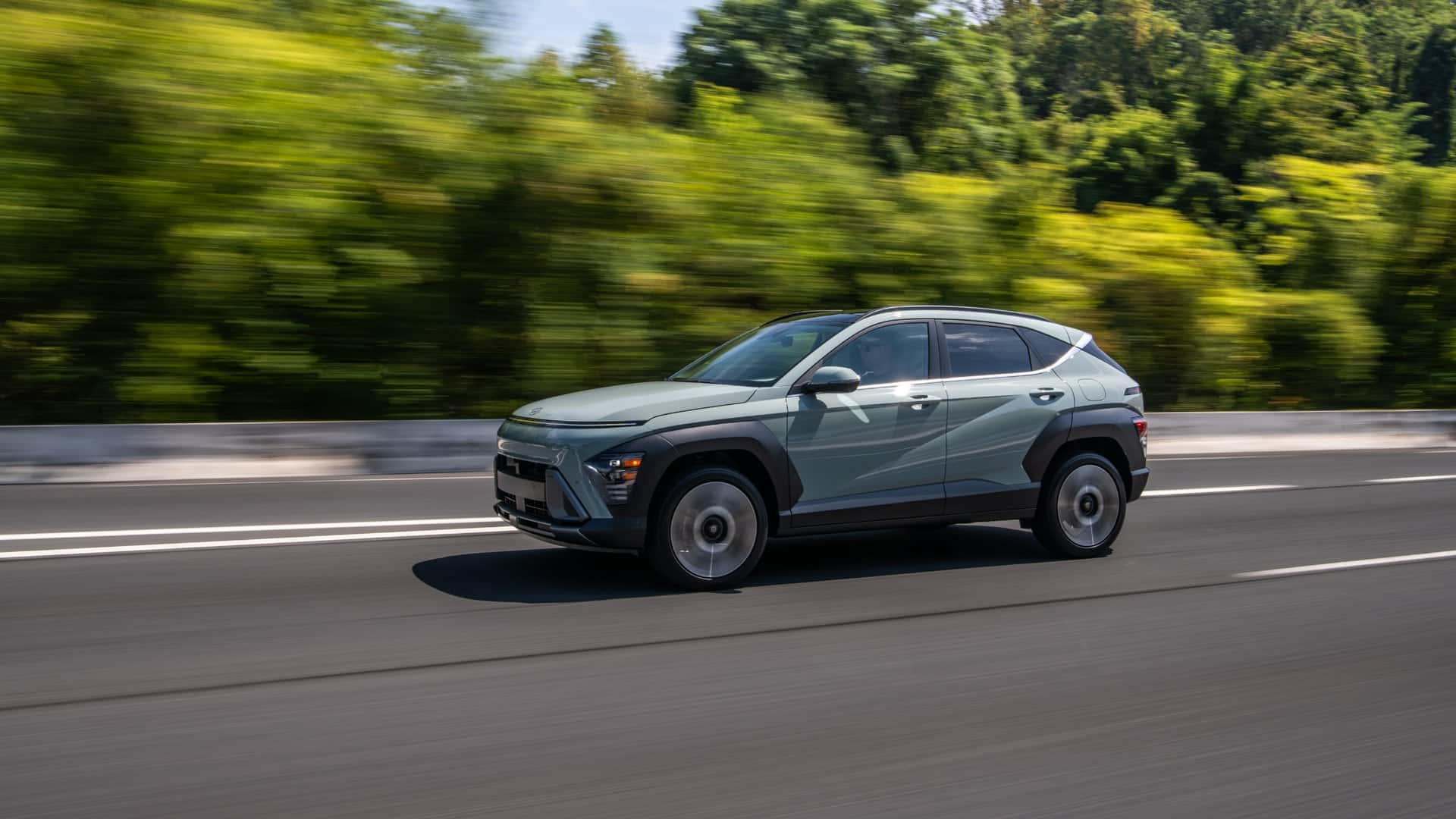
The 2026 Hyundai Kona uses a monocoque body structure that integrates the body and chassis into a single structural unit. High-tensile steel materials increase structural strength while maintaining a controlled vehicle weight. This construction contributes to improved crash protection and consistent handling characteristics.
The front suspension uses a MacPherson® strut configuration with coil springs and gas-pressurized shock absorbers. This design provides compact packaging and stable front wheel movement during cornering and braking. A stabilizer bar improves lateral control by reducing body roll.
Rear suspension design varies by drivetrain. Front-wheel-drive models use a coupled torsion beam axle, which offers compact packaging and stable ride characteristics. All-wheel-drive models use a multi-link rear suspension that improves independent wheel movement and enhances ride quality on uneven surfaces. Gas-pressurized shock absorbers are installed at the rear for consistent damping performance.
Steering assistance comes from a column-mounted, motor-driven power steering system. This system reduces steering effort during low-speed maneuvers and maintains directional stability at higher speeds. The steering ratio measures 13.6. The steering system requires 2.5 turns from lock to lock. The turning diameter measured curb to curb is approximately 34.8 feet.
Brake System Configuration and Vehicle Control Systems
The braking system uses four-wheel disc brakes with anti-lock braking capability. Front brake rotors measure 11.0 inches in diameter on certain configurations and increase to 12.0 inches on higher trims. Rear brake rotors measure 11.2 inches. The braking system uses a single 10.5-inch brake booster with a boosting ratio of 9.0 to 1. Electronic brake force distribution balances braking pressure between front and rear wheels to improve stopping stability.
Additional braking assistance technologies include Downhill Brake Control and Hillstart Assist Control. Downhill Brake Control helps maintain controlled speed when descending steep grades. Hillstart Assist Control prevents backward movement during acceleration on an incline.
Vehicle stability systems include Electronic Stability Control and Traction Control System integration. Vehicle Stability Management coordinates steering and braking inputs to maintain directional stability. Tire Pressure Monitoring System sensors provide individual tire pressure data for each wheel.
Exterior Lighting Systems and Functional Body Components
Exterior design incorporates functional lighting and aerodynamic components. The 2026 Hyundai Kona uses LED projector headlights paired with LED daytime running lights. Automatic headlight activation adjusts illumination based on ambient lighting conditions. High Beam Assist technology switches between high and low beam settings when oncoming traffic is detected.
Rear lighting includes LED taillights and an LED center high-mount stop lamp integrated into the rear spoiler. Exterior mirror assemblies may include heating elements and integrated turn signal indicators depending on trim configuration. Body-colored door handles and bumpers maintain a consistent exterior appearance across trim levels.
Active grille shutters located within the front grille open and close based on engine cooling requirements. This system improves aerodynamic efficiency by reducing airflow resistance during cruising speeds. Front solar control glass reduces interior heat buildup, while privacy glass is installed on rear and quarter windows on selected trims.
Wheel configurations include 17-inch, 18-inch, and 19-inch alloy wheels paired with tires sized 215 60R17, 215 55R18, and 235 45R19, respectively. A compact temporary spare tire is included on several trims, while some front-wheel-drive configurations include a tire mobility kit. Additional exterior features include roof rails, a shark fin antenna, a rear windshield wiper, and an available power tilt and slide sunroof.
Interior Seating Systems and Cabin Configuration
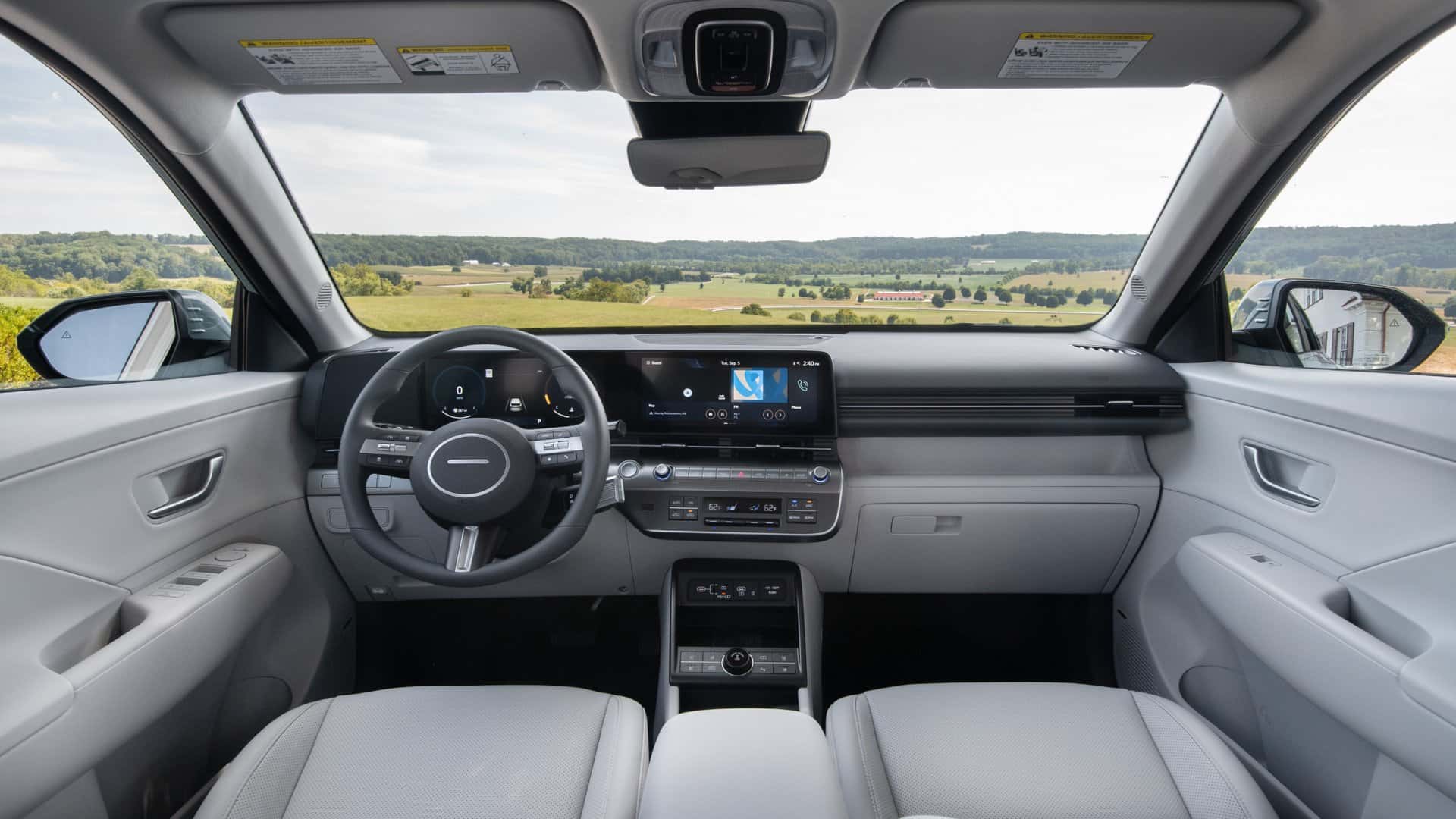
The interior accommodates five occupants with several seating material options depending on trim. Base trims include cloth seating surfaces, while higher trims include H-Tex®-trimmed seats. The driver’s seat may include six-way manual adjustment or eight-way power adjustment with two-way lumbar support. Height adjustment is available for both the driver and front passenger seats.
Heated front seats are available on several trims, while ventilated front seats are offered on higher trims. Rear seating includes a sixty-forty split folding seatback that allows cargo area expansion. The rear seatback also includes a reclining function for improved passenger comfort.
The cargo area includes a dual-level cargo floor that allows adjustable storage height. Cargo tie-down anchors are installed in the cargo compartment to secure stored items. Additional interior storage areas include door storage pockets, center console compartments, and cupholders.
Climate control systems include automatic temperature control with auto-defog functionality. Second-row air conditioning vents improve airflow distribution for rear passengers. The cabin also includes a cabin air filter and rear window defroster with a timer.
Digital Displays, Infotainment Systems, and Connectivity
The 2026 Hyundai Kona includes a digital infotainment system with a 12.3-inch touchscreen interface. This display supports AM/FM radio, SiriusXM® satellite radio, and HD Radio™ functionality. Wireless Apple CarPlay® and wireless Android Auto™ compatibility allow smartphone integration without a physical cable connection.
Higher trims include a 12.3-inch touchscreen navigation system that provides integrated navigation and route guidance. A Bose® premium audio system with eight speakers and an external amplifier is available on select trims. The audio configuration includes two front door speakers, two tweeters, two rear speakers, and a center front speaker.
Instrumentation displays include a digital gauge cluster with speedometer, tachometer, fuel level indicator, coolant temperature gauge, and trip information. Certain trims include a 12.3-inch digital instrument cluster that replaces traditional gauges with a configurable digital interface.
Convenience features include wireless device charging, multiple USB-C charging ports, and a rearview monitor with parking guidance. Additional technology features include Bluelink® connected car services, over-the-air software updates, and an available vehicle WiFi hotspot.
Driver Assistance and Safety Technology Systems
The 2026 Hyundai Kona integrates multiple driver assistance systems designed to monitor traffic conditions and assist driver control. Forward Collision Avoidance Assist uses sensors and cameras to detect vehicles, pedestrians, cyclists, and turning traffic conflicts. Lane Keeping Assist and Lane Following Assist monitor lane markings and provides steering assistance to maintain lane positioning.
Blind Spot Collision Avoidance Warning alerts drivers when vehicles are detected in adjacent lanes. Rear Cross Traffic Collision Avoidance Assist monitors approaching vehicles while reversing. Intelligent Speed Limit Assist displays recognized speed limits and alerts the driver if the vehicle exceeds the detected limit.
Driver Attention Warning monitors driving behavior and suggests rest periods if fatigue indicators are detected. Safe Exit Warning alerts passengers when approaching vehicles are detected before opening a door. Highway Driving Assist is available on higher trims and integrates adaptive cruise control with lane-centering functions for highway driving.
Passive safety systems include front airbags, front seat-mounted side airbags, and side curtain airbags with rollover sensors. The 2026 Hyundai Kona also includes seatbelt pretensioners, load limiters, and LATCH anchors for child-seat installation. Additional safety features include anti-theft system integration, electronic shift lock system, and immobilizer protection.
Schedule a Test Ride at ALM Hyundai Florence
Drivers interested in examining the engineering and technology of the 2026 Hyundai Kona can arrange a test drive through our team. ALM Hyundai Florence, close to Columbia, SC, provides access to multiple 2026 Hyundai Kona trim configurations so drivers can review the vehicle’s mechanical systems, digital displays, and driver assistance technologies. A test drive allows drivers to experience the performance of the available 2.0-liter and 1.6-liter turbocharged engines along with the operation of the transmission and all-wheel drive systems. Our team can also demonstrate the infotainment interface, connectivity features, and safety technologies installed in the vehicle. Contact our dealership to schedule a test drive and review the specifications of the 2026 Hyundai Kona in person.