

2026 Hyundai Palisade close to Columbia SC
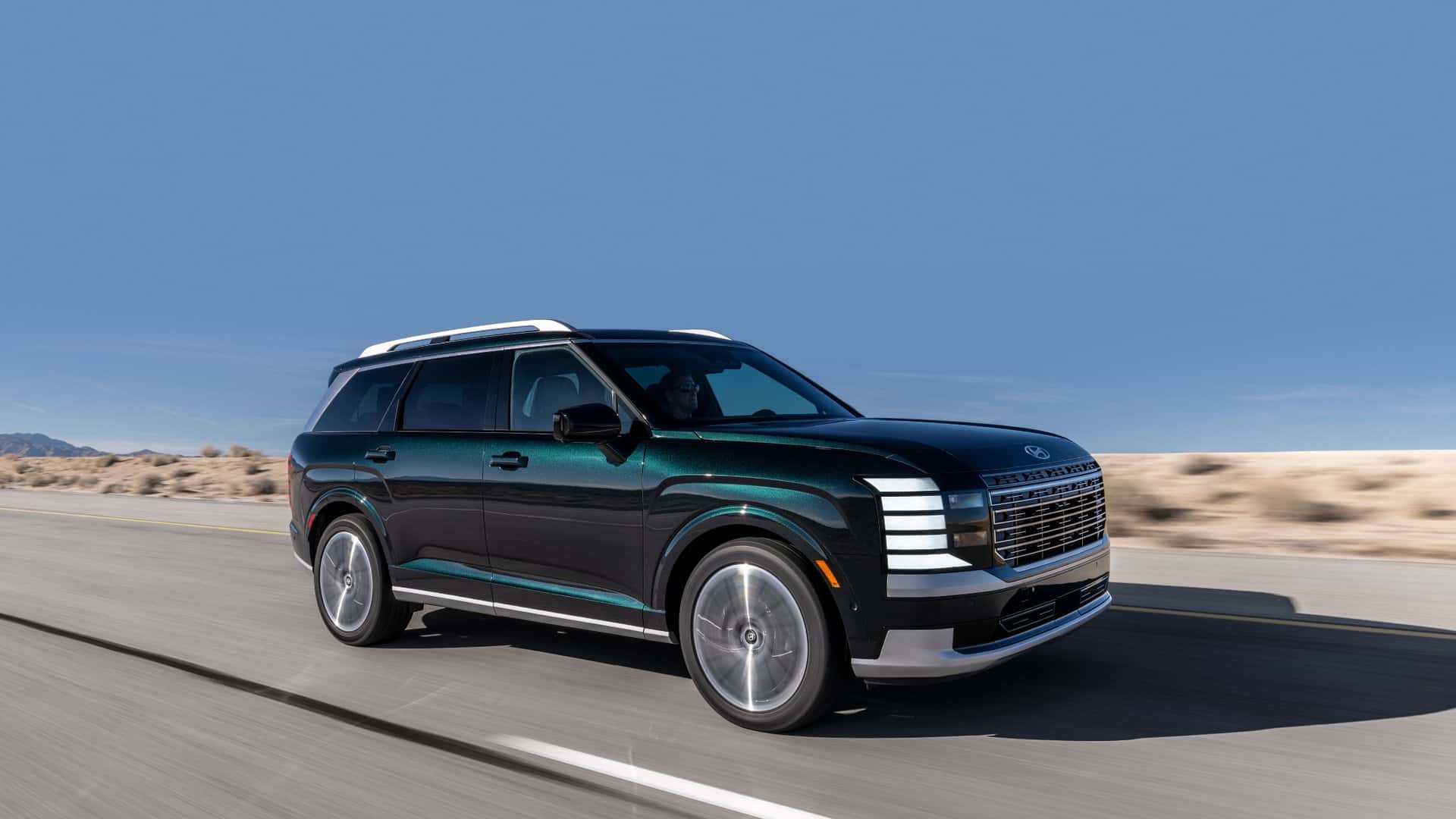
The 2026 Hyundai Palisade is engineered as a three-row sport utility vehicle with a clear emphasis on mechanical consistency, structural rigidity, and integrated electronic systems. Its design reflects a balance between passenger capacity, drivetrain versatility, and controlled handling across varied driving conditions. The model lineup supports both internal combustion and hybrid-electric propulsion, allowing the platform to address differing operational priorities without altering its fundamental chassis architecture. Every system, from power delivery to occupant protection, is configured to function cohesively under predictable parameters defined by Hyundai’s engineering specifications.
Engine Architecture and Output Characteristics
The standard gasoline-powered configuration of the 2026 Hyundai Palisade uses a 3.5-liter V6 engine with both multi-point injection and gasoline direct injection. This dual-injection approach improves combustion efficiency across low and high engine speeds. The engine displaces 3,470 cubic centimeters and employs a double overhead camshaft layout with 24 valves. Horsepower output is rated at 287 at 6,400 revolutions per minute, while torque output reaches 260 pound-feet at 5,000 revolutions per minute. The aluminum block and cylinder heads reduce overall engine mass while maintaining structural durability under sustained thermal loads.
An available hybrid configuration combines a 2.5-liter turbocharged inline four-cylinder engine with two electric motors. The gasoline engine portion displaces 2,497 cubic centimeters and uses direct fuel injection. When paired with the electric drive components, the system delivers a combined output of 329 horsepower and 339 pound-feet of torque. The electric motors are supported by a lithium-ion battery system rated at 300 volts with a capacity of 1.65 kilowatt-hours. This configuration is designed to supplement torque delivery during acceleration and to improve efficiency during low-speed operation.
Transmission Systems and Power Distribution Control
Gasoline-powered 2026 Hyundai Palisade models are equipped with an 8-speed automatic transmission. Gear selection is managed electronically through a shift-by-wire system, eliminating mechanical linkage and improving shift precision. Paddle shifters mounted on the steering wheel allow manual gear control when required. Gear ratios are calibrated to balance acceleration and cruising efficiency, particularly during highway operation.
Hybrid variants use a six-speed automatic transmission that integrates the electric motors directly into the drivetrain. This configuration supports smooth transitions between electric assist and gasoline power. Both transmission types are available with either front-wheel drive or HTRAC all-wheel drive system. The HTRAC continuously monitors traction conditions and adjusts torque distribution between the axles to maintain directional stability.
Drive Modes and Terrain Adaptation Systems
The 2026 Hyundai Palisade includes a selectable drive mode system that allows adjustment of throttle response, transmission behavior, and steering assistance. Eco mode prioritizes fuel efficiency through moderated throttle input and early upshifts. Sport mode alters shift timing and throttle sensitivity to support more responsive driving. A customizable mode allows drivers to tailor these parameters individually.
All-wheel drive models add terrain-specific settings for snow, mud, and sand. These modes recalibrate torque distribution and traction control thresholds to improve surface grip. A dedicated towing mode adjusts engine braking and transmission behavior when a trailer is connected.
Structural Platform and Chassis Configuration
The 2026 Hyundai Palisade is constructed on a unibody platform composed primarily of high-strength steel. This structure improves torsional rigidity while supporting predictable crash energy management. The front suspension uses a MacPherson® strut design with coil springs and a stabilizer bar. The rear suspension employs a multi-link independent layout with separated springs and dampers, along with a self-leveling function that maintains ride height under load.
Steering is managed through a motor-driven power steering system mounted on the column. The steering ratio is set at 14.3 to 1 for most trims, allowing controlled response without excessive steering input. Turning diameter measures 39.2 feet, supporting maneuverability in constrained environments.
Braking Systems and Stability Management
The 2026 Hyundai Palisade are equipped with four-wheel disc brakes. The front brakes use ventilated discs measuring 345 millimeters in diameter, while the rear uses solid discs measuring 325 millimeters. Anti-lock braking functionality is integrated with electronic brake-force distribution to balance braking pressure across all wheels.
Additional stability systems include electronic stability control, traction control, hill start assist, and downhill brake control on all-wheel drive models. An electronic parking brake with automatic vehicle hold functionality supports controlled stopping during traffic operation and on inclines.
Exterior Engineering and Functional Design Elements
Exterior components of the 2026 Hyundai Palisade are configured to support visibility, aerodynamics, and durability. LED projector headlights, daytime running lights, and rear combination lamps are standard across all trims. Acoustic windshield glass and available acoustic side glass reduce wind and road noise intrusion.
Wheel sizes range from 18 inches to 21 inches, depending on trim level. Roof rails support a load capacity of up to 220 pounds, enabling external cargo solutions. The rear liftgate operates through a hands-free smart system with adjustable opening height. Trailering hardware is integrated at the factory level, including pre-wiring and transmission cooling components.
Interior Layout and Seating Systems
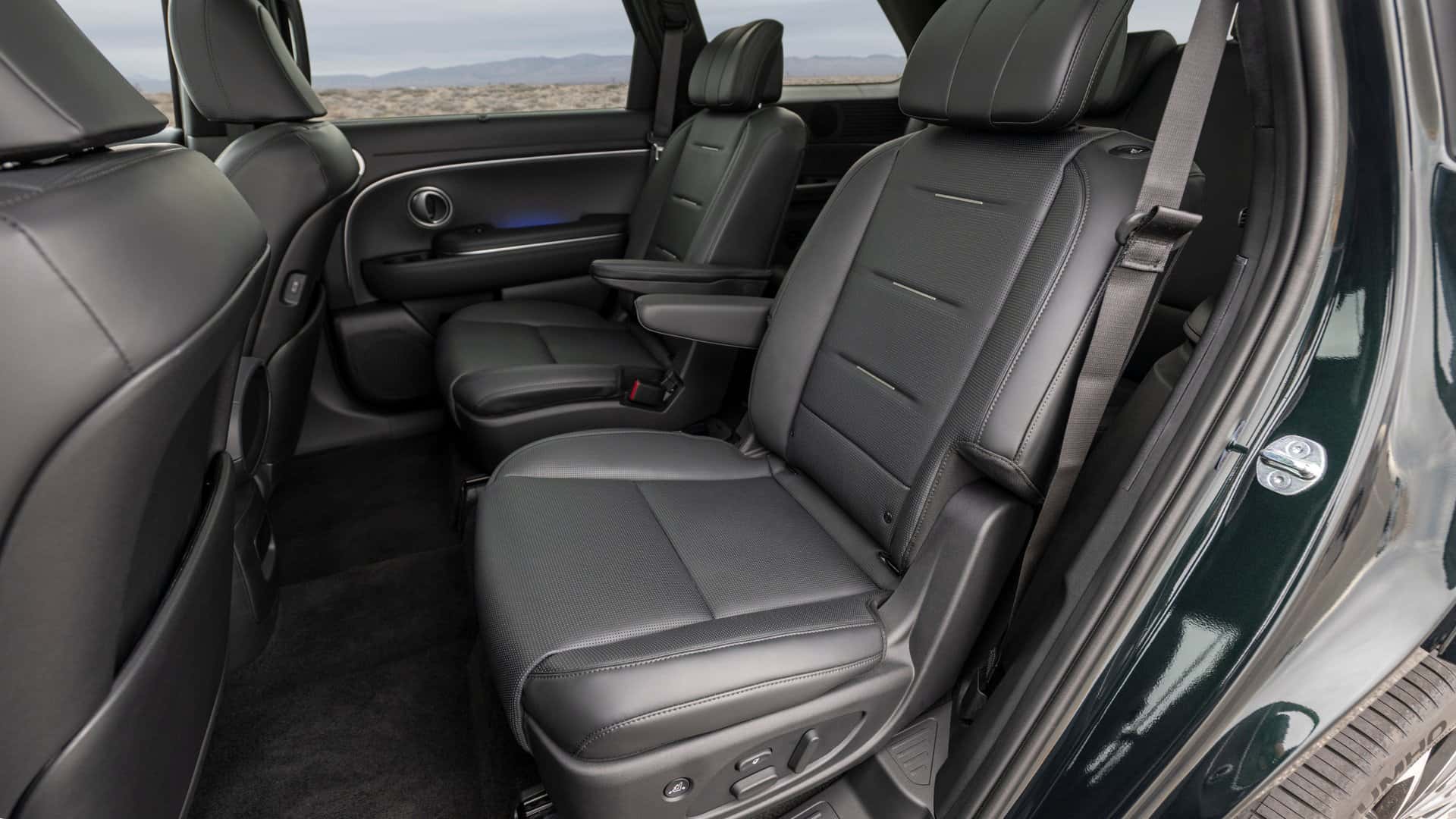
The interior architecture of the 2026 Hyundai Palisade supports seating for seven or eight occupants, depending on configuration. Front seats are available with power adjustment, lumbar support, heating, and ventilation. Higher trims include memory functions, leg cushion extensions, and relaxation mode settings.
Second-row seating is available as a bench or captain’s chairs, with heating and ventilation available on select trims. Sliding and tilting functions improve access to the third row. Third-row seats offer power folding, reclining, sliding, and heating in higher configurations. Underfloor cargo storage and flat-folding seatbacks expand cargo capacity when passenger seating is reduced.
Infotainment and Digital Interface Systems
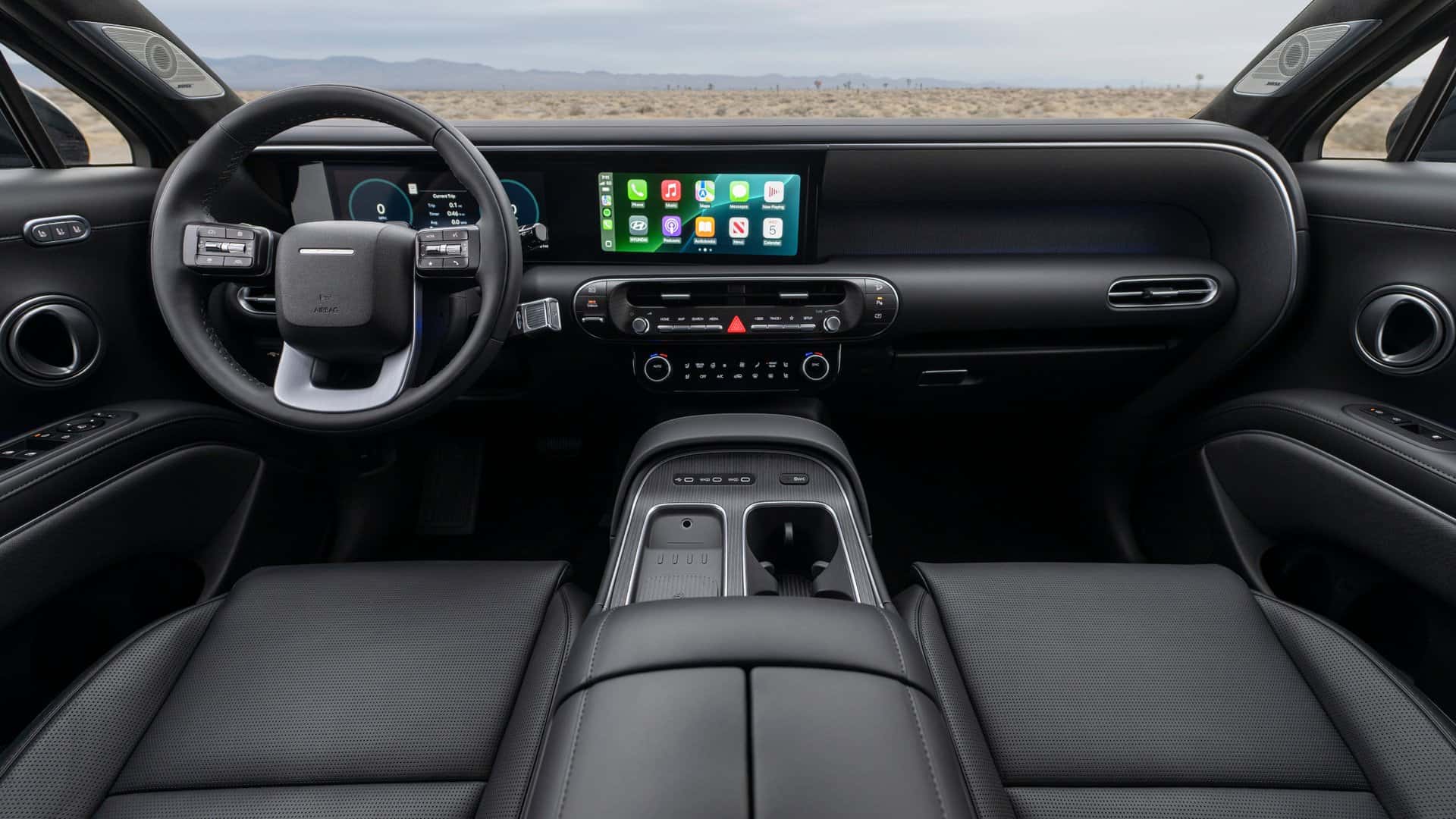
A 12.3-inch touchscreen infotainment display is standard and integrates onboard navigation. Wireless Apple CarPlay® and Android Auto™ connectivity are included across all trims. Audio output ranges from a standard system to an available Bose® 14-speaker premium setup with digital signal processing.
Additional technology features include a digital instrument cluster, a color head-up display on select trims, wireless device charging, and multiple USB-C charging ports distributed across all three seating rows. Integrated dash camera functionality records forward and rear views on higher trims.
Climate Control and Cabin Environmental Systems
The 2026 Hyundai Palisade includes a three-zone automatic climate control system that allows separate temperature management for front, second-row, and third-row occupants. Air vents are positioned throughout the cabin to ensure even airflow distribution. A positive temperature coefficient heater supports rapid cabin warm-up in colder conditions.
Additional features include automatic defogging, rear window defrosters with timers, and cabin air filtration designed to maintain consistent airflow quality.
Driver Assistance and Safety Engineering
Safety systems in the 2026 Hyundai Palisade combine passive and active technologies. The airbag system includes front, side, curtain, knee, and center airbags. Seatbelt pretensioners and load limiters are installed for all three rows.
Active driver assistance systems include forward collision-avoidance assist with pedestrian and cyclist detection, lane keeping assist, lane following assist, blind-spot monitoring, rear cross-traffic collision avoidance, and driver attention warning. Advanced trims add highway driving assist II, blind-spot collision-avoidance assist, remote smart parking assist, and advanced rear occupant alert using radar detection.
Dimensional Specifications and Cargo Capacity
The 2026 Hyundai Palisade measures 199.2 inches in overall length with a wheelbase of 116.9 inches. Overall width measures 78 inches, while height measures approximately 69.5 inches. Ground clearance ranges from 7.4 inches to 8.4 inches depending on trim.
Interior cargo capacity reaches 86.7 cubic feet behind the front seats, 46.3 cubic feet behind the second row, and 19.1 cubic feet behind the third row. Roof rail load capacity is rated at 220 pounds.
Towing Capacity and Load Management
When properly equipped, gasoline-powered 2026 Hyundai Palisade models support a maximum trailer weight of 5,000 pounds with trailer brakes. Hybrid models support up to 4,000 pounds with trailer brakes. All configurations include trailer sway control, heavy-duty transmission cooling, and integrated wiring to support stable towing performance.
Schedule a Test Ride
For drivers seeking a technically comprehensive three-row SUV with clearly defined mechanical specifications, the 2026 Hyundai Palisade provides a structured balance of powertrain options, chassis control, and integrated safety systems. Experiencing the vehicle through direct operation allows evaluation of drivetrain response, cabin ergonomics, and driver-assistance functionality in a controlled setting. ALM Hyundai Florence, close to Columbia SC provides access to multiple 2026 Hyundai Palisade configurations for this purpose. Scheduling a test drive enables close inspection of seating flexibility, infotainment responsiveness, and ride stability. Interested drivers can coordinate a visit to review available configurations and evaluate performance characteristics firsthand.